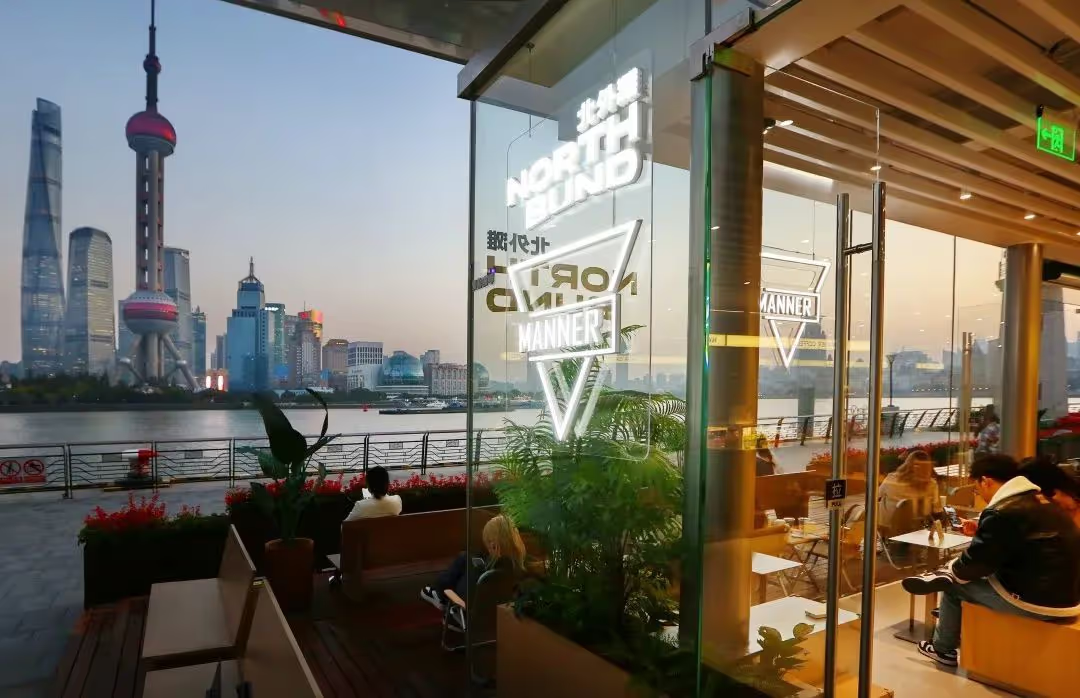
Introduction: Why Shanghai Matters More Than Ever
For global retail strategists, understanding the future of consumer engagement means looking to Shanghai. The city stands as the undisputed global capital of coffee shops, boasting an impressive 9,533 locations as of 2023. This sheer scale is matched by an intense consumption velocity. Across China, per capita annual coffee consumption has surged from just 9.1 cups in 2020 to 16.74 cups in 2023, with Shanghai at the epicenter of this growth. Here, coffee has transcended being a simple beverage to achieve rigid demand status - an integral part of the urban lifestyle.
The core lesson from this dynamic market is clear: Shanghai's coffee scene has evolved beyond a transactional product space into a fully integrated cultural and economic ecosystem. For business leaders and strategists, it offers a powerful and predictive blueprint for the future of global retail.
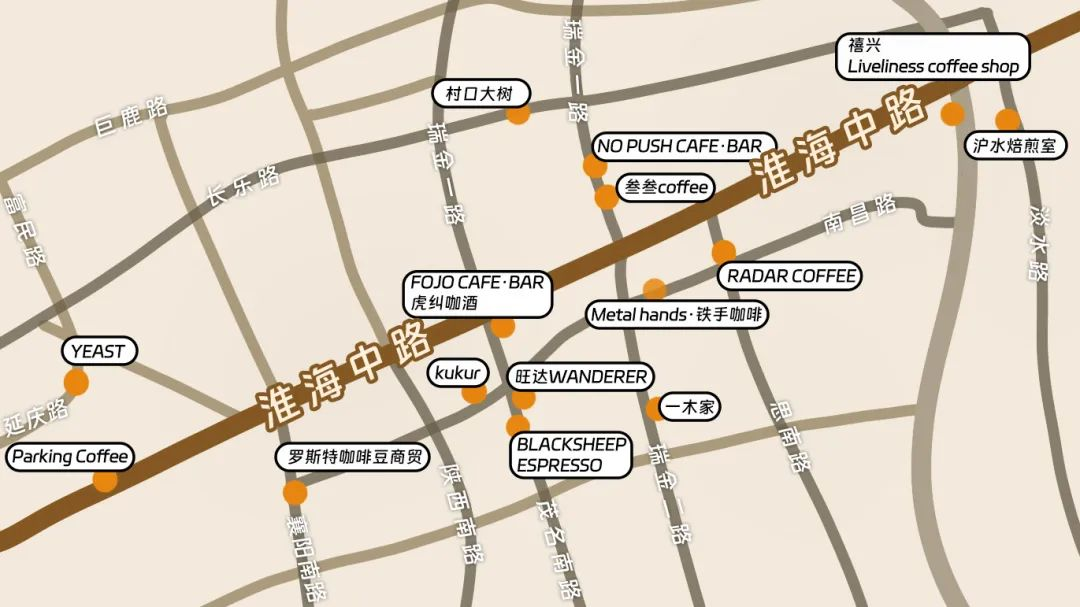
Mastering the Multi-Segment Customer: The New Rules of Engagement
In a mature and sophisticated market, a one-size-fits-all approach is no longer viable. Modern marketing requires a precise, data-driven understanding of distinct consumer motivations. The Shanghai market provides a clear framework, revealing four distinct consumer archetypes whose behaviors and preferences dictate success.
- The Self-Expressionist (Gen Z)
- Demographics: Primarily the Post-'00s generation (Gen Z).
- Core Motivations: Using coffee as a form of identity; drawn to IP collaborations and branded merchandise.
- Consumption Habits: A medium-to-high frequency consumer (2-3 times per week) who exhibits a morning A, evening C pattern, with consumption peaks from 8:00-12:00 and after 18:00.
- The Cubicle Warrior (Office Workers)
- Demographics: Post-'85s, '90s, and '95s generations.
- Core Motivations: Function-driven consumption for refreshment and alertness, with a secondary motivation of trying new beverage releases.
- Consumption Habits: A high-frequency consumer, often drinking coffee one or more times daily.
- Product Preference: Strongly prefers Americano.
- The Shanghai Style Aficionado
- Demographics: '80s generation and earlier.
- Core Motivations: Driven by a mix of functional needs (refreshment), social connection, nostalgia, and the heritage of coffee culture.
- Consumption Habits: A low-frequency consumer, visiting a cafe less than or equal to once per month.
- Product Preference: Values classic flavors like Latte and Mocha.
- The New Trend Catcher
- Demographics: A broad group including Post-'90s, '95s, and '00s generations.
- Core Motivations: Experience-seeking; drawn to trying new drinks and exploring unique cafe themes.
- Consumption Habits: A medium-to-high frequency consumer (2-3 times per week).
- Product Preference: Favors Hand-drip coffee and specialty flavored drinks.
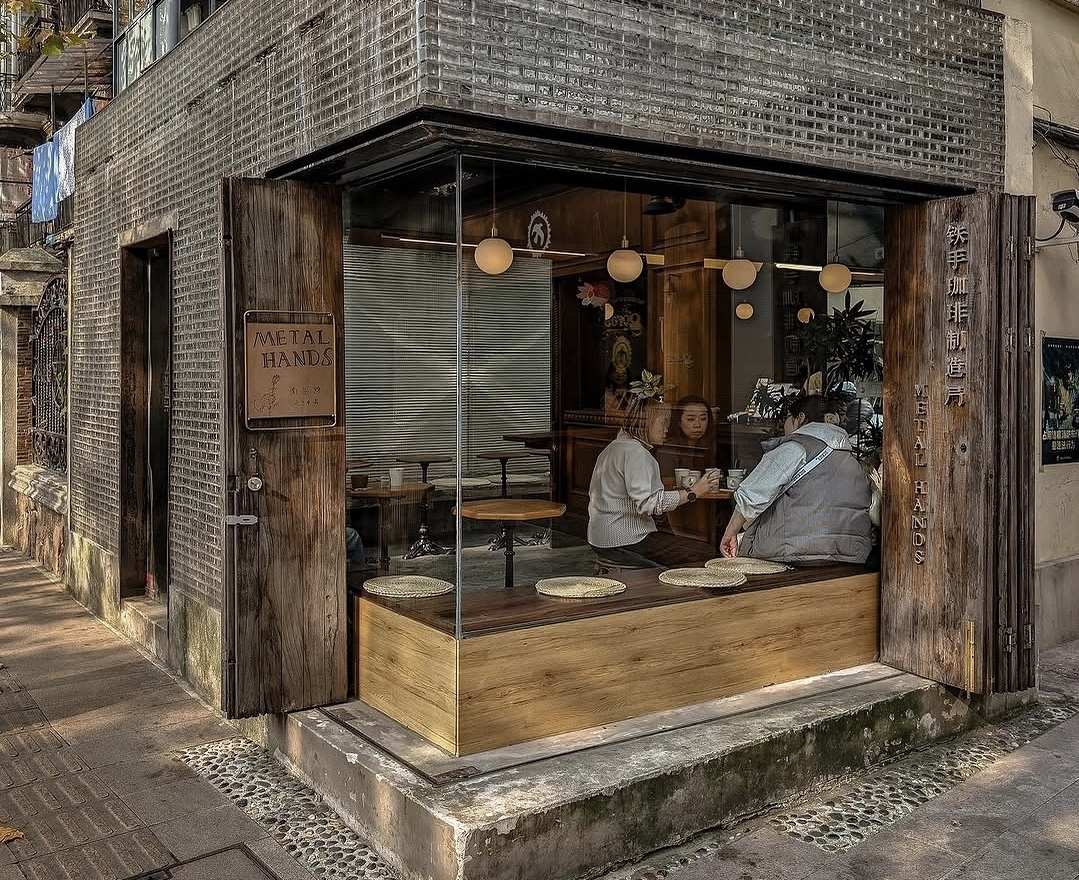
Strategic takeaway
success hinges on a portfolio approach to engagement. High-frequency segments like the Cubicle Warrior are the engine of daily revenue, best targeted with efficiency-driven loyalty programs and new product drops. In contrast, the low-frequency but culturally influential Shanghai Style Aficionado is key for building long-term brand equity and nostalgic appeal.
From Product to Platform: The Rise of Experience-Driven Models
In Shanghai, consumption has evolved beyond the product itself into a search for a composite social-identity-experience. This is not a niche trend but a market-wide expectation, with a staggering 91.3% of consumers expressing a desire to experience themed coffee shops. This demand, driven primarily by the New Trend Catcher and the Self-Expressionist, confirms that the cafe is no longer just a point of sale; it is a destination.This has given rise to the cafe as a Third Interest Space, a hub for community and culture. With 61.5% of consumers using cafes for social gatherings, brands are successfully converting functional purchases into meaningful experiences. This is the Coffee+ ecosystem in action.
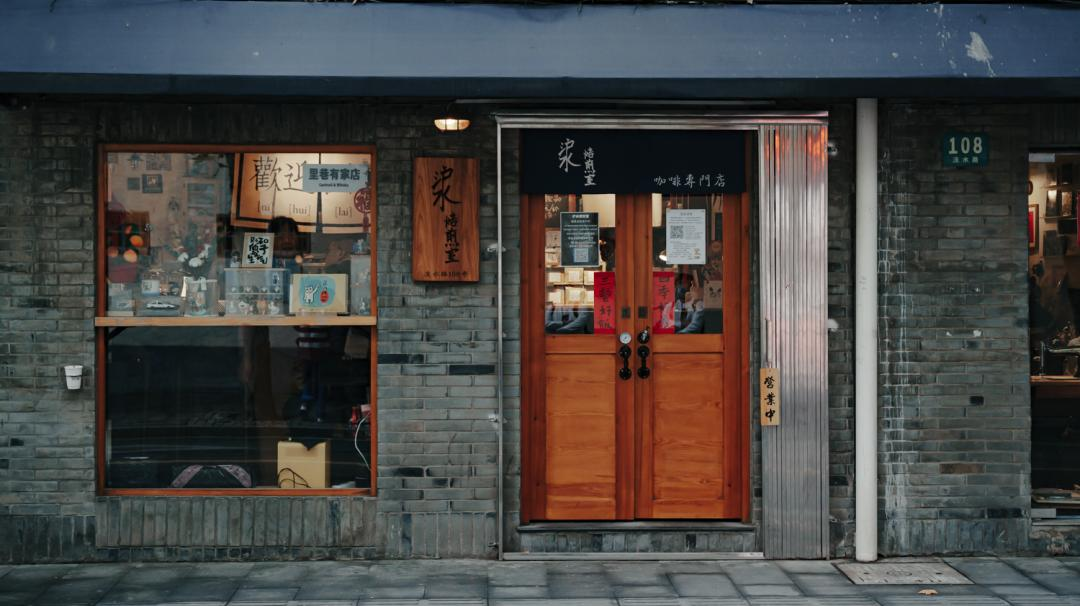
A prime example is CP CAFE (coffee + puzzles), which builds a dedicated community around a shared interest. This integration of Coffee + Culture/Space is a clear directive from consumers, whose top partnership preferences include:
- Bookstores (62%)
- Gardens (58%)
- Museums (47%)
- Theaters (43%)
The strategic directive is clear: capital investment must shift from purely transactional touchpoints to creating immersive Third Interest Spaces. Brand loyalty is now a function of community engagement, and the ROI will be measured in dwell time and social currency, not just cups sold—a model driven explicitly by the high-value Self-Expressionist and New Trend Catcher segments.
The Dual Circulation Playbook: Product Innovation Through Cultural Fusion
Product innovation in Shanghai is a primary growth driver, following a sophisticated Dual Circulation strategy that masterfully balances global trends with local creativity.
First is Global Integration. Consumers, particularly the New Trend Catcher segment, exhibit a high degree of curiosity for diverse international styles, showing an average preference for over 10 different coffee flavor types. This signals a deep and ongoing demand for global coffee culture.
Second is Local Innovation. Parallel to this global appetite is a significant and growing interest in specialty blends that incorporate unique Chinese regional ingredients. Consumer data highlights a clear opportunity for developing hyper-local specialty drinks, with high interest in concepts such as:
- Yunnan Rose Latte (48%)
- Hainan Coconut Milk Coffee (47%)
- Cantonese Chenpi Americano (35%)
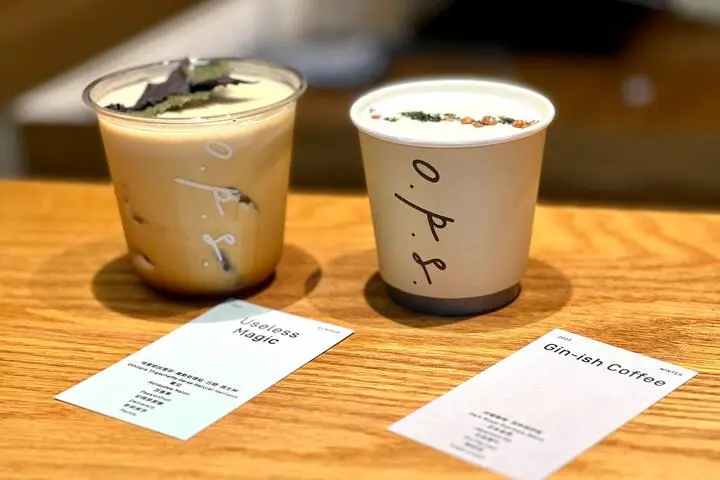
A powerful manifestation of this fusion is the Haipai Revival, a resurgence of traditional Shanghai-style culture. This trend has remarkable traction, with over 80% of consumers having visited a Haipai-themed cafe. Its cross-generational appeal is quantitatively proven: it is anchored by the Shanghai Style Aficionado's motivation for nostalgia (68%) while simultaneously attracting younger segments through unique local fusion blends (59%).The strategic takeaway is that sustainable growth requires product innovation through cultural fusion. The most successful brands will be those that blend global sophistication with unique, defensible local flavors to create desirable and culturally resonant specialty offerings.
Conclusion: Lessons for Global Retail Leaders
The Shanghai coffee market offers a definitive look at the future of retail. It demonstrates that future market leadership will be defined by a brand's ability to innovate across four interconnected domains: consumer engagement, experiential design, product diversity, and cross-sector integration.For senior business leaders and strategists, the call to action is to look beyond the core product. The simple act of selling a single item, whether it's coffee or anything else, is no longer sufficient for sustained success. Brands must embrace the strategic imperative of building a multi-faceted Coffee+ ecosystem. To thrive in the next era of retail, you are no longer selling just a product; you are curating an experience, fostering a community, and building a culture.