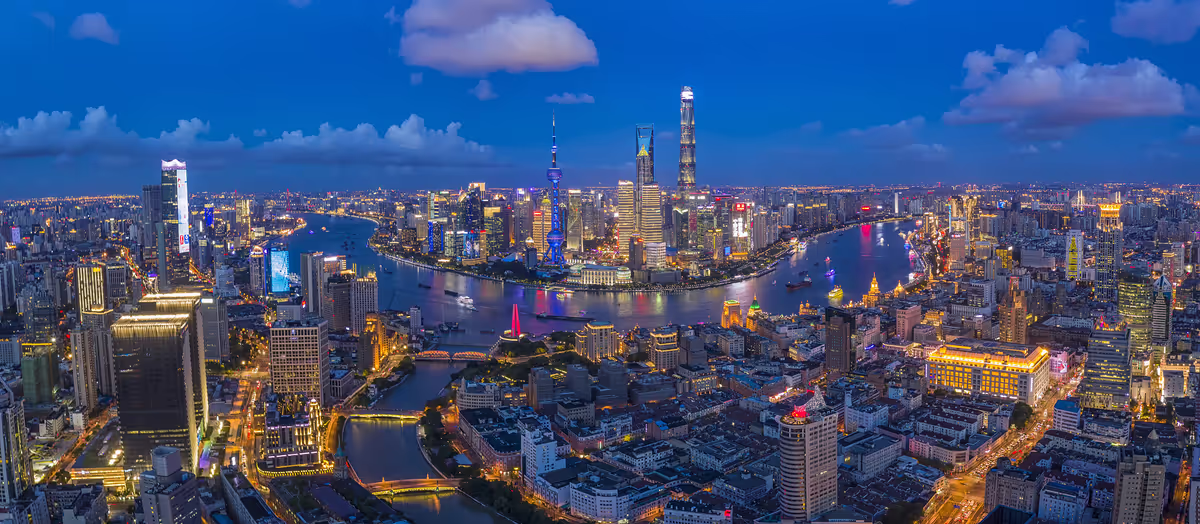
While the world's attention is fixed on China's major economic headlines, a quiet but monumental shift in its urban development strategy is redrawing the map of opportunity for 1.4 billion people. This isn't a minor policy adjustment; it's a fundamental overhaul that signals the end of one era and the dawn of a new, more competitive one.
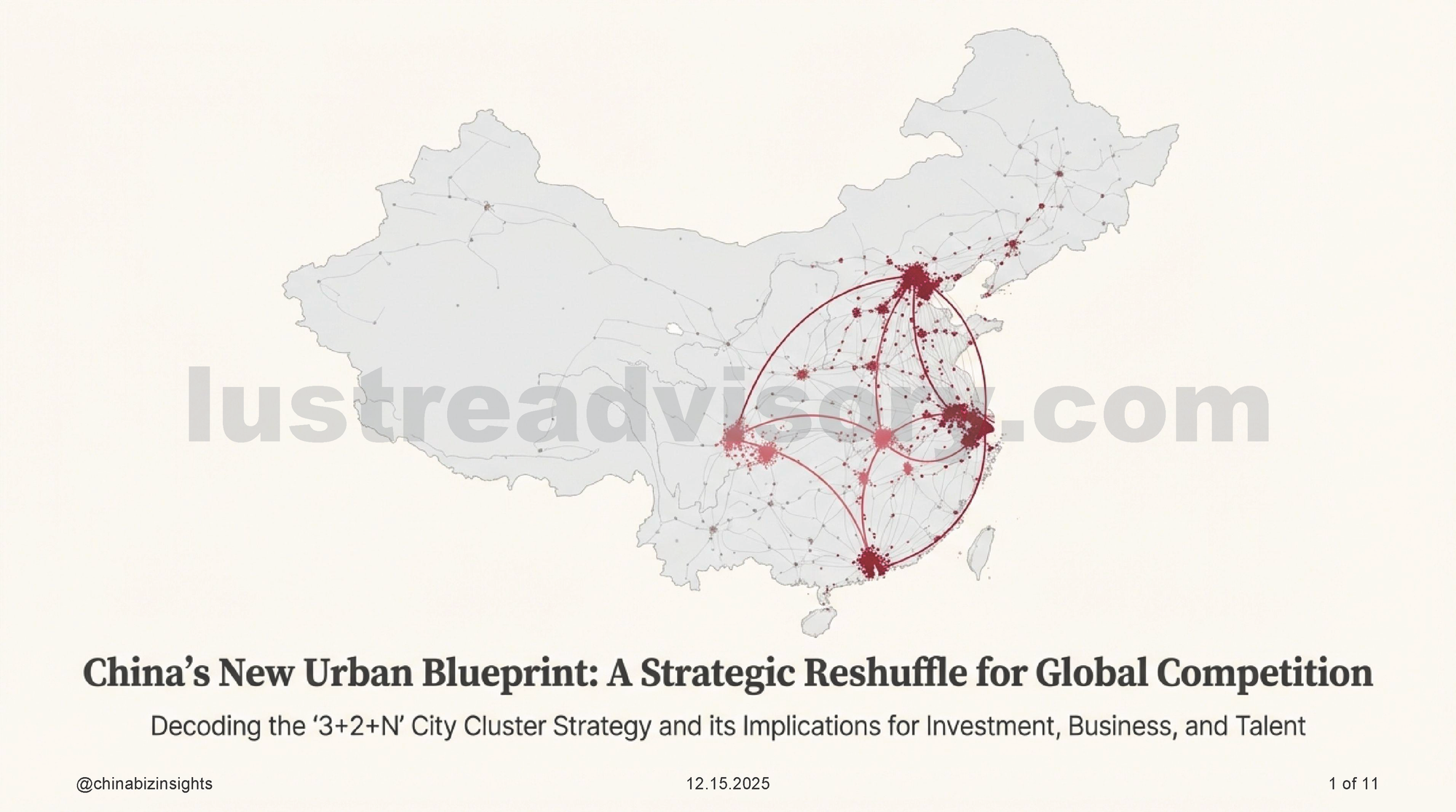
For years, the national strategy centered on the balanced development of "five key city clusters." Official documents consistently used the phrase "optimize and upgrade the Beijing-Tianjin-Hebei, Yangtze River Delta, Greater Bay Area, Chengdu-Chongqing, and Middle Yangtze etc. city clusters." That crucial final character, "etc.," signified they were on equal footing, a team advancing in unison. But in recent policy papers, the language has decisively changed. The new phrasing explicitly separates them, calling to "support Beijing-Tianjin-Hebei, the Yangtze River Delta, and the Greater Bay Area in building world-class city clusters" while promoting the others as "high-quality growth poles." This is not a subtle tweak; it’s the official end of the old model.
This change represents what one source calls a "gorgeous strategic turn from comprehensive development to key breakthroughs." It’s a pivot from a broad, all-inclusive approach to a focused, elite-driven one, designed to forge economic powerhouses capable of competing on the global stage. Here are implications for investment, business, and talent.
This post is for paid members only
Signup now to read the post and get access to the full library of posts for subscribers only.
Premium AccessAlready a member? Signin